Understanding Air Pollution: A Regional Perspective
Take Action for Cleaner Air Today
Explore the various types of air pollution affecting Mesa County and learn how you can contribute to improving air quality for a healthier future.

The Importance of Air Quality Awareness
Why Understanding Air Pollution Matters
Air pollution is a significant environmental challenge that impacts both human health and the ecosystem. By understanding the different types of air pollutants, their sources, and their effects, we can take informed actions to mitigate their impact. Clean air is essential for our well-being, and by educating ourselves, we can advocate for policies and practices that promote a healthier environment.
Air pollution is not just a distant concern; it affects our daily lives and health. From respiratory issues to environmental degradation, the consequences are far-reaching. By gaining knowledge about the pollutants in our air, we empower ourselves to make changes that benefit our community and future generations.
Types of Air Pollution in Mesa County
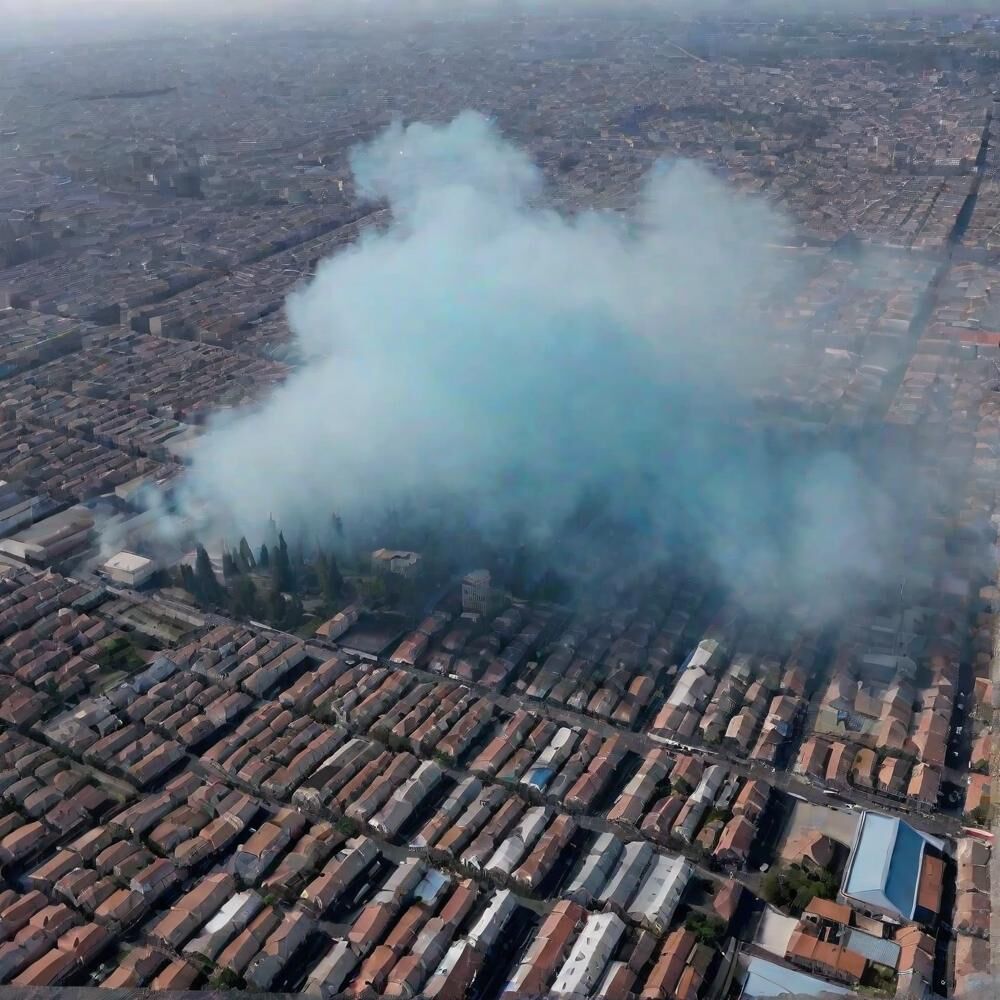
In Mesa County, air pollution comes in various forms, each with unique characteristics and sources. Common pollutants include particulate matter, which consists of tiny particles suspended in the air, and can originate from construction sites, unpaved roads, and industrial emissions. Ozone, another prevalent pollutant, forms when sunlight reacts with pollutants like vehicle emissions. Understanding these types helps us identify their sources and implement strategies to reduce their presence in our atmosphere.
Common Sources of Air Pollution
Understanding Air Pollution Origins
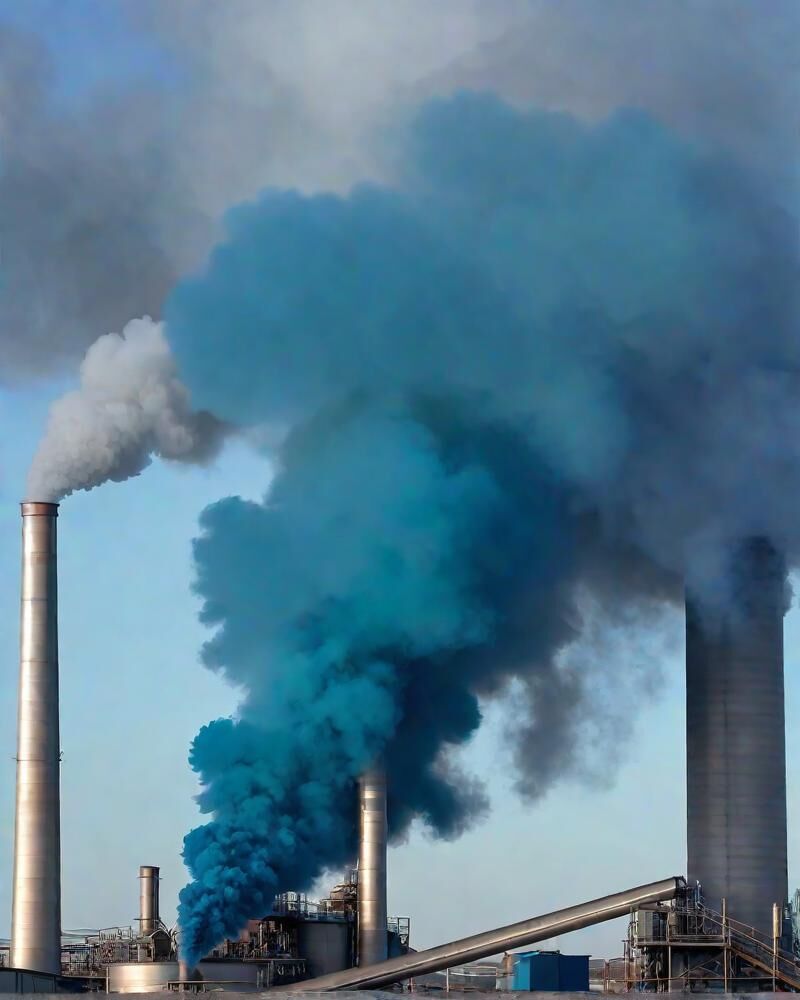
Air pollution arises from a variety of sources, both natural and human-made. Natural sources include wildfires, volcanic eruptions, and dust storms, which release particulates and gases into the atmosphere. Human activities, however, are the primary contributors to air pollution. Industrial processes, vehicle emissions, and the burning of fossil fuels for energy and transportation are significant sources. Agricultural activities also contribute through the release of ammonia and methane. Understanding these sources is crucial for developing strategies to mitigate air pollution and protect public health.

Health Effects of Air Pollution
Exposure to air pollution can have serious short-term and long-term health effects. In the short term, individuals may experience respiratory issues such as coughing, throat irritation, and shortness of breath. Long-term exposure can lead to chronic respiratory diseases, cardiovascular problems, and even cancer. Vulnerable populations, including children, the elderly, and those with pre-existing health conditions, are particularly at risk. Understanding the health impacts of air pollution is essential for advocating for cleaner air and protecting community health.
Environmental Impact of Air Pollution
Air pollution has profound effects on the environment, impacting ecosystems and contributing to climate change. Pollutants such as sulfur dioxide and nitrogen oxides can lead to acid rain, which harms soil, water bodies, and plant life. Particulate matter can reduce visibility and damage vegetation. Additionally, air pollution contributes to the greenhouse effect, exacerbating global warming and altering weather patterns. Protecting our environment requires addressing air pollution to preserve biodiversity and ensure a sustainable future.

Join Our Mission for Cleaner Air
Stay informed and make a difference! Subscribe to our newsletter for the latest updates on air quality initiatives and learn how your contributions can help us combat air pollution in Mesa County. Your support is vital in our fight for a healthier environment.